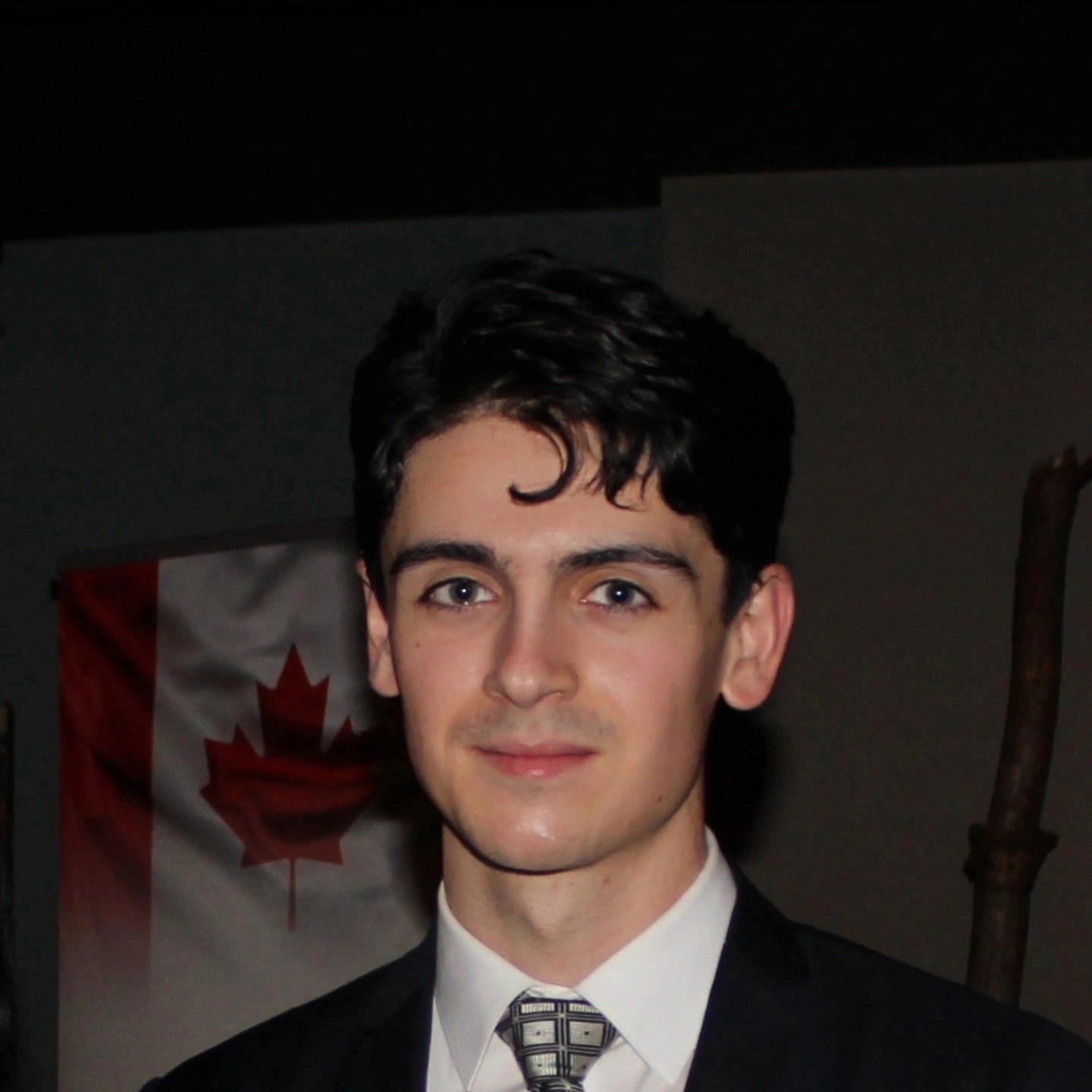
I’m Rodrigo Garfinkle, former President of the Queen’s University Conservative Association. For as long as I have attended Queen’s University, Sir John A. Macdonald’s relationship with Queen’s and Kingston has been dismissed and cancelled. In the wake of the 2021 Kamloops alleged grave discoveries, a frenzy took hold of the nation, resulting in the removal of many statues of our first prime minister, including right here in his hometown of Kingston, in City Park, colloquially known as “Macdonald Park.” At the time of its removal, our club released a public statement condemning the decision, which was met with a hostile response from the student body.
The erasure of Sir John A.’s memory from Kingston extends further than just his statue. In 2020, Queen’s removed Sir John A. Macdonald’s name from the law school building, which Macdonald was instrumental in founding. Their decision was “grounded in the university’s present-day academic mission and commitment to honour the values of equity, diversity, and inclusivity,” as well as in addressing “systemic racism.”
Outside of Queen’s, Limestone District School Board trustees voted in favour of renaming Kingston’s Sir John A. Macdonald Public School to Kingston East Elementary School – and the list of renamings goes on.
Out of all these decisions, the removal of Sir John A.’s statue from City Park stood out as perhaps the most consequential. Macdonald died in 1891, and shortly afterward a citizens’ campaign raised funds from the local population, commissioning British sculptor George Edward Wade to create a statue. Completed and unveiled at a ceremony in 1895, the statue would stand for 126 years in commemoration of Canada’s first prime minister.
On June 18, 2021, Kingston City Council approved the removal of Sir John A.’s statue, voting 12–1, just four days after conceding to a small group of ideologically driven activists. Several years later, many continue to question the decision. More recently in February, the Kingston Friends of the Canadian Institute of Historical Education released a dossier alleging that the removal violated the Ontario Heritage Act, and local bylaws put in place to prevent the hasty removal of heritage architecture.
The pendulum is swinging steadily back in Macdonald’s favour. In a March 30th National Post article, historian J.D.M Stewart observes favourable public sentiment towards Sir John A, amid a renewed focus on Canadian nationalism and a desire to take pride in our history. He specifically points to the restoration of Sir John A. at the Ontario legislature, and a recent Nanos survey in which 71% of Kingston residents supported returning Sir John A’s statue to City park.
Sir John A. contributed greatly to the early development of Kingston, helping to diversify its economy toward industry and manufacturing. He was instrumental in the founding of Queen’s University medical and law schools. As a lawyer, he helped build the foundation of Kingston’s legal community. And in a city riven by religious and sectarian differences, Sir John A. was able to bridge divides and build a moderate political consensus that would lead to Confederation.
Despite his accomplishments, Sir. John. A’s legacy is not without flaw. His nation-building formula failed to accommodate Canada’s First Nations and his Indigenous policies resulted in genuine harm. Thus what we are proposing is a balanced approach, one that recognizes both his accomplishments and his flaws in today’ s sensitive context.
For most of Canadian history, Sir John A. was rightly honoured as Canada’s first prime minister and the most important Father of Confederation. Without him, we may never have come to be. For that we have a duty to him, and to ourselves, to pay homage to his critical role in the creation of Canada.
If you support our initiative to return Sir John A. to City Park, sign our petition, share our video, and help us bring him home.
All content on this website is copyrighted, and cannot be republished or reproduced without permission.
Share this article!


The truth does not fear investigation.
You can help support Dominion Review!
Dominion Review is entirely funded by readers. I am proud to publish hard-hitting columns and in-depth journalism with no paywall, no government grants, and no deference to political correctness and prevailing orthodoxies. If you appreciate this publication and want to help it grow and provide novel and dissenting perspectives to more Canadians, consider subscribing on Patreon for $5/month.
- Riley Donovan, editor